Independent MapQuest feature guide
MapQuest Classic: Legacy Maps, Directions, and Safer Use
MapQuest Classic usually refers to the older, simpler map-and-directions experience people remember from the early web. It is a useful search phrase for anyone looking for a familiar interface, printable directions, or a historical view of online mapping. This independent article separates nostalgia from current availability, explains how to recognize a trustworthy destination, and shows how to carry the useful parts of the classic workflow into a modern route plan. Interfaces, domains, and feature names can change. Do not assume that an old screenshot, bookmark, or third-party download represents the current official service. Review the MapQuest Classic details before you choose a route.

- Usually means
- A remembered or legacy-style MapQuest web mapping experience
- Still useful
- Clear endpoints, readable route steps, and a physical backup
- Verify
- Official domain, current page, security, and feature availability
- Avoid
- Untrusted downloads, copied screenshots, and suspicious login prompts
What people mean when they search for MapQuest Classic
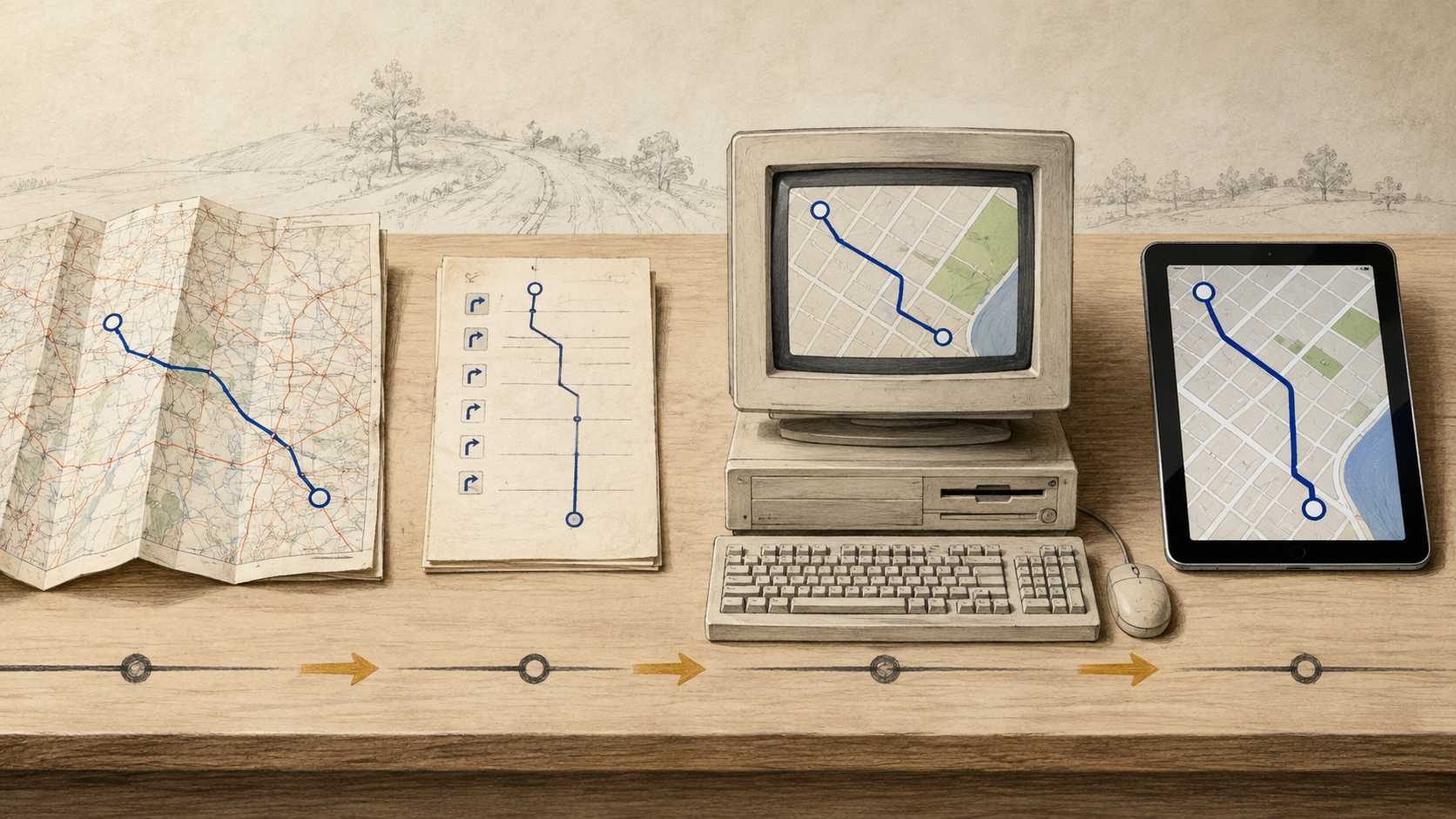
The word Classic often expresses a preference for a straightforward workflow: enter a starting point, enter a destination, review a route, and print or save the instructions. Older mapping pages felt less crowded than many current interfaces, and the printed turn list was valuable before mobile data and large screens were common. The search phrase can also refer to an old bookmark, a remembered layout, or a request for a version that may no longer be offered as a separate product. For background, read Classic on Wikipedia when you need context beyond this planning guide.
Treat the label as a description of an experience, not proof that a specific legacy page is still maintained. A service can redesign its interface, retire an endpoint, change its login flow, or replace a feature while search results and screenshots remain online. Start from the current official MapQuest web presence, check the address bar carefully, and avoid pages that imitate the brand or ask for unusual software installation. A familiar color or logo is not enough to establish authenticity.
Recreating the useful classic workflow today
You can preserve the best part of the classic approach without relying on an outdated page. Enter complete addresses, keep the route purpose visible, review the map and written steps, and print or save a concise backup. Use a route with understandable turns and a destination entrance you can identify. If a modern interface offers many panels, focus on the route summary first and close or ignore details that do not help the trip. Simplicity is a planning choice, not necessarily a software version. For broader route planning, visit MapQuest Driving Directions on the homepage after reviewing this MapQuest Classic guide.
For a long drive, write down the major towns, highway changes, and planned stops in addition to the turn list. A printout should support orientation, not encourage last-minute reading while the vehicle is moving. For an office or appointment, include the building name, parking instructions, and a contact number from the official source. The classic habit of preparing before departure remains useful even when the live map is interactive.
How to evaluate old links and screenshots
An old URL can fail because the page moved, the feature was retired, the domain changed, or the site now requires a different flow. A screenshot can also omit the address bar, date, route assumptions, and the difference between a public location and an internal tool. Use archived material as historical context rather than as a navigation instruction. If you need a current direction, rebuild the route from verified addresses in the current service and compare the broad corridor with any older reference.
Be especially careful with downloads advertised as a Classic app, toolbar, browser extension, or offline installer. A map page should not require you to disable security settings or provide unrelated account credentials. Use current browser protections, inspect the domain, and leave a page that creates unexpected pop-ups or urgent payment requests. The convenience of restoring an old interface is not worth exposing a device or account.
- Open the current official service directly rather than trusting a copied bookmark.
- Check the domain, HTTPS connection, page purpose, and unexpected download prompts.
- Treat screenshots and archived pages as history, not live route data.
- Keep a printed or saved route summary for the trip you are actually taking.
Printable directions and the classic backup habit
A readable printout remains helpful for travelers sharing a car, visiting rural areas, or working with limited reception. Print the route after confirming the start, destination, travel mode, and date. Mark the critical highway transitions, rest stops, and final entrance, then keep the pages in an accessible place rather than loose on the dashboard. If the route is long, split it into legs so a change to one section does not make the entire packet confusing.
Paper directions have limitations too. They do not update for a closure, and a printed map can become wrong when a bridge, ramp, or business entrance changes. Use the pages as a backup and pair them with current road signs and official alerts. If another person is navigating, agree on how they will call out changes and avoid distracting the driver. The classic workflow works best as preparation plus observation, not as a replacement for current conditions.
A balanced view of legacy mapping
The appeal of MapQuest Classic is understandable: it emphasizes the basic questions that every route still needs to answer. Where do I start? Where am I going? Which road changes matter? What can I carry as a backup? Newer tools can add traffic, aerial imagery, turn-by-turn voice guidance, and saved places, but more features do not remove the need for clear inputs or a human review. Choose the interface that helps you understand the trip and use only the capabilities you can verify.
Because third-party features and historical pages change, avoid making a strong promise about a legacy mode’s current availability. If a requested page is missing, use the current official map workflow or another trusted source for the immediate trip. This guide is independent and educational; it does not provide a hidden Classic download or claim affiliation with MapQuest, Inc. The safest restoration of the classic experience is a clear, verified route with a sensible backup.
How to use this MapQuest Classic planning guide
- Interpret Classic as a legacy-style workflow unless the current official service explicitly offers that label.
- Open the official MapQuest web presence directly and verify the domain before entering information.
- Re-enter complete endpoints and review the current route rather than trusting an old screenshot.
- Print or save the route summary with major road changes, stops, and the final entrance.
- Ignore suspicious downloads, pop-ups, urgent payment requests, or requests to weaken security.
- Use the printout with current signs, alerts, weather, and safe navigation habits.
Questions about MapQuest Classic
Is MapQuest Classic still available as a separate version?
Availability can change, and the phrase may refer to a remembered interface rather than a current product. Check the official MapQuest service directly instead of trusting an old link or screenshot.
Can I still print MapQuest directions?
A current mapping service may offer print or share options, but controls and layouts change. Confirm the endpoints and route first, then print a readable summary as a backup.
How can I tell if a Classic MapQuest page is legitimate?
Inspect the address bar and domain, use current browser security, and avoid unexpected downloads or login requests. Start from the official service rather than a copied link or unofficial installer.
What is the safest alternative to an old Classic page?
Use the current official route-planning workflow, enter precise locations, review the route, and keep a printed or saved backup. This preserves the useful simplicity without depending on an unmaintained page.